What is Manual Lymphatic Drainage ? Benefits, Evidence & Who It Can Help
What Is Manual Lymphatic Drainage? Benefits, Evidence & Who It Can Help
By Restore Harmony
If you've ever searched for manual lymphatic drainage, you've probably come across claims that it can detox your body, melt fat, or cure countless health conditions. The truth is more nuanced.
Manual Lymphatic Drainage (MLD) is a gentle, specialised massage technique designed to support the movement of lymph fluid through the lymphatic system. It has an established role in managing certain medical conditions, such as lymphoedema, and is also commonly used to support recovery after cosmetic surgery. Increasingly, people also seek MLD to help with temporary puffiness, feelings of heaviness, or as part of their general wellbeing routine.
In this guide, we'll explain what MLD is, how it works, what the current evidence says, and who may benefit.
What is the lymphatic system?
The lymphatic system is an important part of both your immune and circulatory systems.
It consists of a network of tiny lymphatic vessels, hundreds of lymph nodes, and organs such as the spleen and thymus.
Unlike your heart, which continuously pumps blood around your body, the lymphatic system does not have its own pump. Instead, it relies on normal muscle movement, breathing, and the contraction of lymphatic vessels to help move lymph fluid.
Lymph fluid contains water, proteins, immune cells, fats absorbed from the digestive system, and waste products from surrounding tissues.
As lymph travels through lymph nodes, specialised immune cells monitor and filter it, helping identify bacteria, viruses, damaged cells and other foreign substances before the fluid eventually returns to the bloodstream.
One simple way to picture it is to imagine your lymphatic vessels as highways and your lymph nodes as security checkpoints. Every day they're quietly working in the background to help maintain fluid balance and support immune surveillance.
What is Manual Lymphatic Drainage?
Manual Lymphatic Drainage (MLD) is a highly specialised form of massage developed in the 1930s by Danish physiotherapists Dr Emil Vodder and Estrid Vodder.
Unlike traditional massage, MLD uses slow, gentle and rhythmic skin movements rather than deep pressure.
The aim is not to work into muscles. Instead, the therapist applies light stretches to the skin to stimulate the superficial lymphatic vessels that sit just beneath its surface.
Because these vessels are delicate, using more pressure is not necessarily more effective. In fact, excessive pressure may compress the vessels you're trying to encourage.
This is one of the reasons MLD often feels surprisingly relaxing.
How does Manual Lymphatic Drainage work?
During treatment, the therapist follows specific pathways that encourage lymph fluid to move towards healthy, functioning lymph nodes.
The techniques are designed to:
- encourage lymph transport
- support the movement of excess tissue fluid
- reduce feelings of heaviness associated with swelling
- promote relaxation through slow, rhythmic touch
Different schools of MLD, such as Vodder, Foldi, Casley-Smith, Leduc and Godoy, vary slightly in their techniques, but they all share the same fundamental principle of supporting lymphatic function through gentle, controlled movements.
What does the research say?
The strongest scientific evidence for Manual Lymphatic Drainage is in the management of lymphoedema, where it may form part of Complete Decongestive Therapy (CDT) alongside compression therapy, exercise, skincare and education.
Research has also investigated MLD following cosmetic procedures, where some studies suggest it may help reduce post-operative swelling and improve comfort during recovery. However, results vary between studies, and recovery always depends on factors such as the surgical procedure, healing response and following your surgeon's advice.
For general wellness, temporary puffiness and relaxation, research is still developing. While many people report feeling lighter, less puffy or more relaxed after treatment, these experiences may not apply to everyone and more high-quality research is needed in some areas.
Evidence-based practice means recognising both what we know and where evidence is still emerging.
Who might benefit from Manual Lymphatic Drainage?
Depending on your individual circumstances, MLD may be appropriate for people experiencing:
- Post-operative swelling following cosmetic surgery (with medical clearance where required)
- Persistent swelling that has already been medically assessed
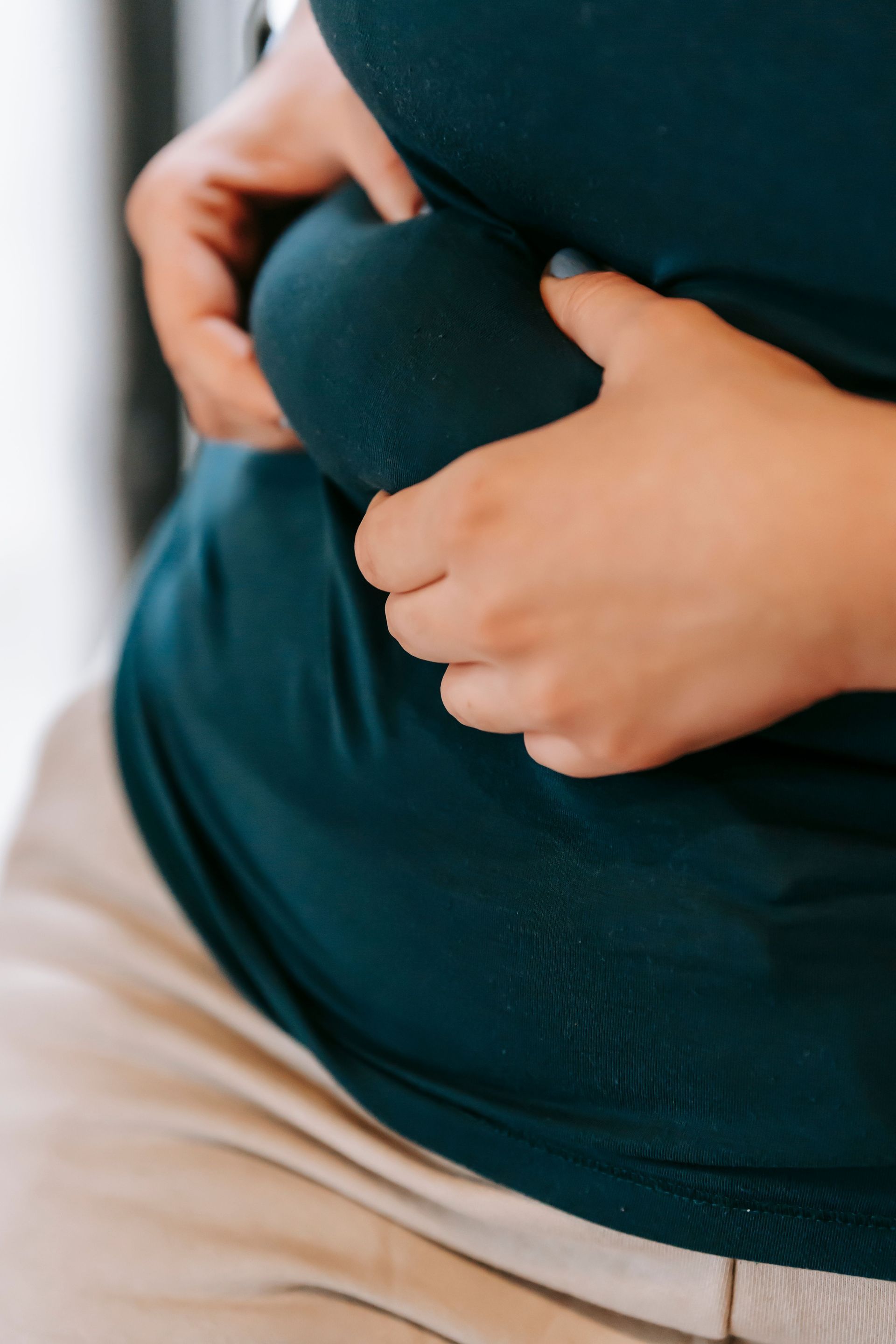
- Mild fluid retention
- Feelings of heavy or tired legs
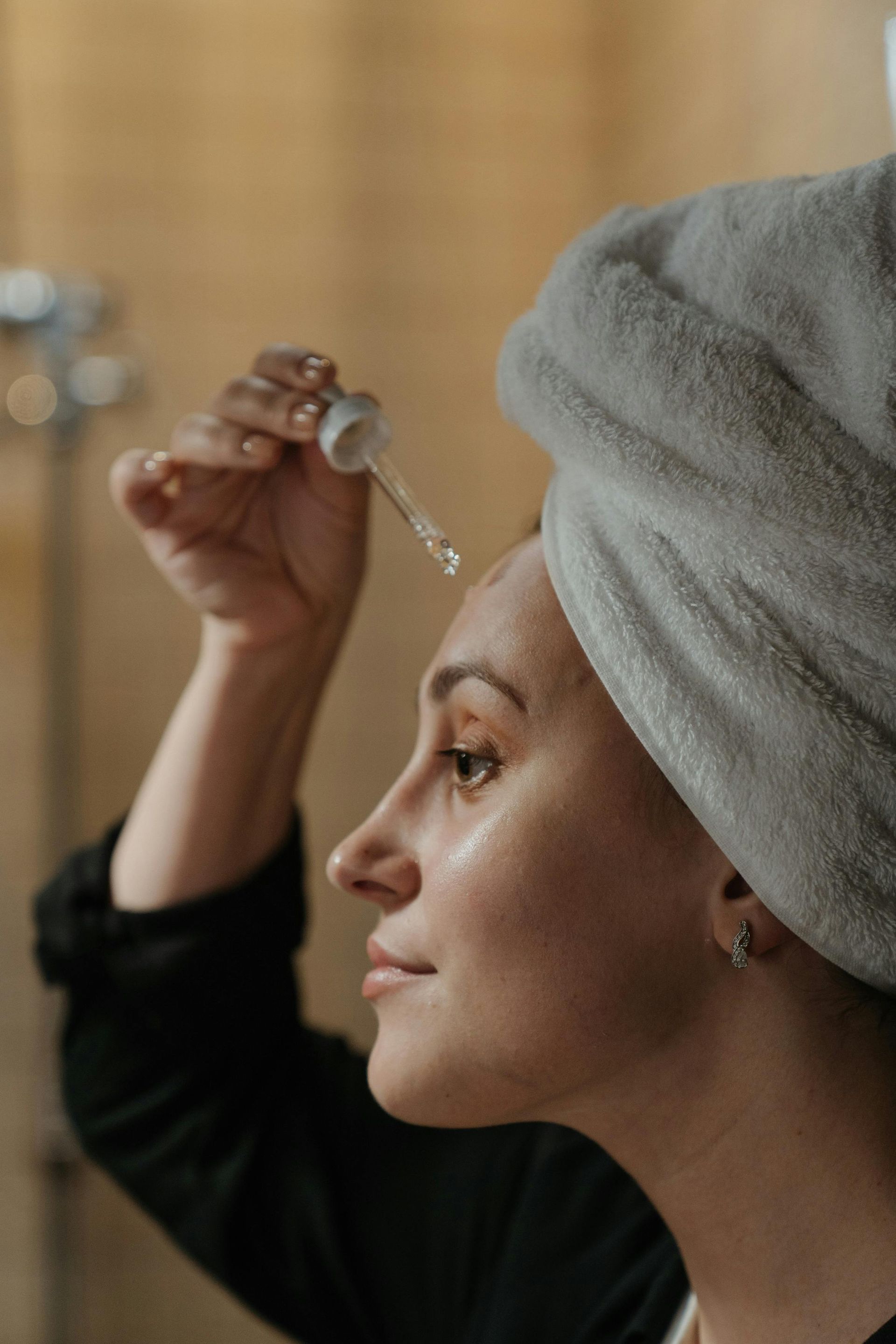
- Temporary facial puffiness
- Lymphoedema (when provided by appropriately trained clinicians as part of an overall management plan)
- Lipoedema, where MLD may help support symptom management in some people
Treatment should always begin with a thorough consultation to determine whether MLD is appropriate.
What happens during a treatment?
Your appointment should begin with a consultation covering your medical history, medications and current concerns.
During treatment you'll usually lie comfortably on a treatment couch while your therapist performs slow, rhythmic movements over specific areas of the body.
Many people are surprised by how light the pressure feels. This is completely normal and reflects the location of the superficial lymphatic vessels.
After treatment, some people report feeling deeply relaxed. Others notice a temporary reduction in puffiness or heaviness, although results vary depending on the reason for treatment.
Your therapist may also discuss simple self-care strategies such as movement, hydration, breathing exercises or compression garments where appropriate.
Is Manual Lymphatic Drainage the same as a normal massage?
No.
Traditional massage generally focuses on muscles, fascia and soft tissues using a range of pressures.
Manual Lymphatic Drainage is designed specifically to work with the superficial lymphatic system using gentle, rhythmic techniques.
Although both treatments can feel relaxing, they have different goals and should not be considered interchangeable.
Frequently Asked Questions
Does Manual Lymphatic Drainage hurt?
No. MLD should not be painful. The pressure is intentionally gentle because the lymphatic vessels lie just beneath the skin.
How many sessions will I need?
This depends entirely on why you're having treatment. Someone recovering from surgery may require a different treatment plan from someone seeking occasional wellness sessions.
Will I need the toilet afterwards?
Some people notice they pass urine more frequently after treatment, while others notice no difference. Individual responses vary.
Can everyone have MLD?
No. There are certain medical conditions where MLD may not be appropriate or may require medical clearance first. A thorough consultation is essential before treatment begins.
Does MLD detox the body?
Your body already has highly effective detoxification organs, including the liver and kidneys. The role of the lymphatic system is to help maintain fluid balance, transport immune cells and return excess tissue fluid to the bloodstream. Claims that MLD "flushes toxins" are an oversimplification and are not supported by current scientific evidence.
Choosing a qualified therapist
Manual Lymphatic Drainage requires additional training beyond standard massage qualifications.
When choosing a therapist, look for someone who:
- Has recognised MLD training.
- Takes a detailed medical history before treatment.
- Understands when treatment is appropriate—and when it isn't.
- Provides realistic expectations rather than exaggerated claims.
- Is committed to continuing professional development and evidence-based practice.
Final thoughts
Manual Lymphatic Drainage is a gentle, specialised treatment that plays an important role in managing certain forms of swelling and supporting recovery in appropriate situations. While research continues to evolve, its established role in lymphoedema care and its growing use in post-operative rehabilitation make it an increasingly recognised therapy.
At Restore Harmony, our approach is rooted in evidence-based practice, honest communication and individualised care. Every treatment begins with a consultation to ensure it's appropriate for your needs and health history.
If you're unsure whether Manual Lymphatic Drainage is right for you, we're always happy to discuss your concerns and help you decide on the most suitable treatment plan.
Medical Disclaimer
This article is intended for educational purposes only and should not replace personalised medical advice, diagnosis or treatment. If you have persistent, sudden or unexplained swelling, pain, redness, or any other concerning symptoms, please seek assessment from an appropriate healthcare professional before considering Manual Lymphatic Drainage. Treatment should always be carried out following a thorough consultation to determine whether it is suitable for your individual needs.
Further Reading & Professional Resources
The information in this article is based on current evidence and guidance from recognised professional organisations and peer-reviewed literature, including:
- British Lymphology Society (BLS). Manual Lymphatic Drainage Position Document (2024).
- International Society of Lymphology (ISL). The Diagnosis and Treatment of Peripheral Lymphedema: 2023 Consensus Document.
- Lymphoedema Support Network (LSN). Patient information and guidance on lymphoedema assessment and management.
- British Lymphology Society (BLS). Professional guidance and resources on lymphatic and chronic oedema management.
This article is reviewed periodically to reflect current evidence and clinical guidance. Last reviewed: July 2026.
Reviewed by:
Charene Anderson
Founder of Restore Harmony | Manual Lymphatic Drainage Practitioner | Beauty Educator (QTLS, PGCE) | Committed to evidence-based lymphatic health education and continuing professional development.
Follow Me.