How to have a good nights sleep.

January 9, 2023

I have so many clients who have issues with sleep. According to the Sleep foundation (2022) Sleep is an essential function, to allow your body and mind to recharge. 1 in 3 people report, they have problems with sleep.


Without enough sleep your brain cannot function properly. For most adults we require around at least seven hours of sleep for proper brain function, and to keep the body from risk of diseases such as high blood pressure.


Here are my top tips to help you improve your sleep habits.


Establish a Bedtime


Yes, even adults need a bedtime. This is not only for children. To help your body get into a healthy sleep cycle it is important to have a bedtime. Remember, you want to aim for at least seven hours, so if you need to be up for 6am, then going to bed at 10pm, will give you time to drift off. Doing this every night (even on the weekends), will promote a healthy sleep habit. Your body will start to follow this pattern in due time (remember you must also wake at the same time every day for it to be effective).


Create Ambience


Creating the right ambience can help you to relax. Making some small adjustments could make a difference. Try to make sure the room is at a comfortable temperature and the lighting is low. Burning some candles or a diffuser before bed, can help you become relaxed with the right blends.


Ensure the window cannot let any light in, black out blinds or curtains are great for this. The correct mattress can make all the difference and even the type of sheets. Make sure your room is tidy and clutter free, this well help your mind to be clear.


Watch your diet


It is best to stay away from caffeine, heavy meals and alcohol before bed. These things can give you indigestion and disrupt the quality of your sleep. If you are hungry before bed, then try eating a banana which is good source of carbohydrate to fill you up and increases melatonin (melatonin is the hormone that controls your sleep-wake cycle). A glass of milk is also an option as the tryptophan and calcium in the milk can help you to sleep more soundly.

Turn off your gadgets.


It is important to put your phone and gadgets away, at least an hour before bed. The blue light on your screen restrains melatonin, making it more difficult to fall asleep.


If you do need to use your phone, then try to avoid doom scrolling (scrolling through social media excessively) or texting/answering emails. Instead use it to listen to calming music.


You don’t want your mind to be engaged and over stimulated before trying to fall asleep.


Create a bedtime routine


Having a bedtime routine can help to relax you before bed and calm your mind. A hot bath before bed can help you to fall asleep more quickly. A bath oil blend, or some drops of a lavender essential oil is also great to aid with this.


Chamomile tea is beneficial before bed, because it is a mild sedative and can help to improve your sleep quality.


Taking it slow before bed can also help to calm your mind. Reading a book or practising some meditation will be encourage a good night’s sleep.


Listen to rain sounds


According to Better sleep (2022) rain sounds produce ‘pink noise’ which cancels out background noises which could affect your sleep. The sound of rain is a non-threatening sound for your brain and aids in relaxation.


Rain sounds can also decrease levels of cortisol (stress hormone) in the body, lower blood pressure and help you to fall asleep much quicker.


 Book in for regular massages


Regular massage, especially with blended aromatherapy oils can help to aid in a restful night’s sleep. Clients also report a better sleep after a hot stone massage.


Within the treatment room, I stock products that can also help you to fall asleep such as gels, diffuser blends, oils, and candles.


If you try these helpful tips and stick to them, you will find you are starting to sleep much better. Please be aware to always consult your GP, if you are worried.


Follow Me.

July 23, 2026
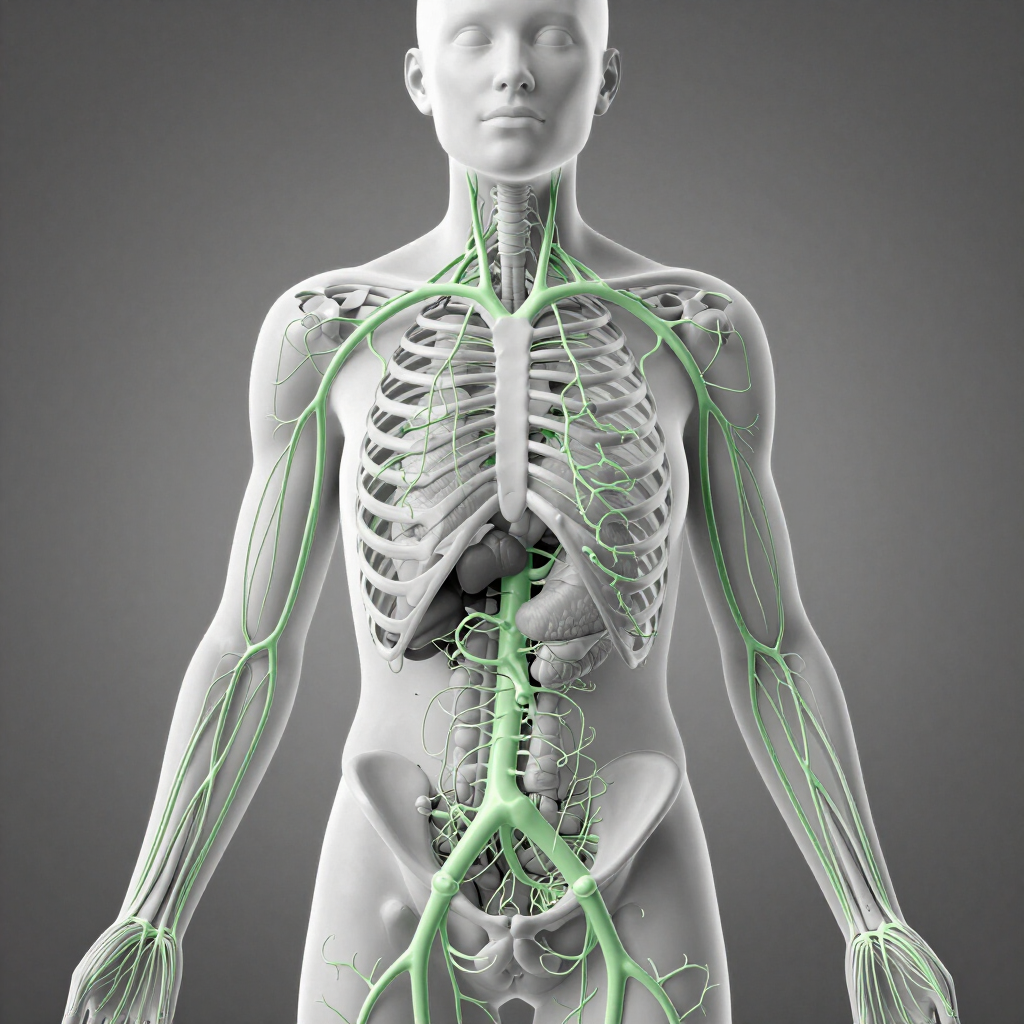
What Is Manual Lymphatic Drainage? Benefits, Evidence & Who It Can Help By Restore Harmony If you've ever searched for manual lymphatic drainage , you've probably come across claims that it can detox your body, melt fat, or cure countless health conditions. The truth is more nuanced. Manual Lymphatic Drainage (MLD) is a gentle, specialised massage technique designed to support the movement of lymph fluid through the lymphatic system. It has an established role in managing certain medical conditions, such as lymphoedema, and is also commonly used to support recovery after cosmetic surgery. Increasingly, people also seek MLD to help with temporary puffiness, feelings of heaviness, or as part of their general wellbeing routine. In this guide, we'll explain what MLD is, how it works, what the current evidence says, and who may benefit. What is the lymphatic system? The lymphatic system is an important part of both your immune and circulatory systems. It consists of a network of tiny lymphatic vessels, hundreds of lymph nodes, and organs such as the spleen and thymus. Unlike your heart, which continuously pumps blood around your body, the lymphatic system does not have its own pump. Instead, it relies on normal muscle movement, breathing, and the contraction of lymphatic vessels to help move lymph fluid. Lymph fluid contains water, proteins, immune cells, fats absorbed from the digestive system, and waste products from surrounding tissues. As lymph travels through lymph nodes, specialised immune cells monitor and filter it, helping identify bacteria, viruses, damaged cells and other foreign substances before the fluid eventually returns to the bloodstream. One simple way to picture it is to imagine your lymphatic vessels as highways and your lymph nodes as security checkpoints. Every day they're quietly working in the background to help maintain fluid balance and support immune surveillance. What is Manual Lymphatic Drainage? Manual Lymphatic Drainage (MLD) is a highly specialised form of massage developed in the 1930s by Danish physiotherapists Dr Emil Vodder and Estrid Vodder. Unlike traditional massage, MLD uses slow, gentle and rhythmic skin movements rather than deep pressure. The aim is not to work into muscles. Instead, the therapist applies light stretches to the skin to stimulate the superficial lymphatic vessels that sit just beneath its surface. Because these vessels are delicate, using more pressure is not necessarily more effective. In fact, excessive pressure may compress the vessels you're trying to encourage. This is one of the reasons MLD often feels surprisingly relaxing. How does Manual Lymphatic Drainage work? During treatment, the therapist follows specific pathways that encourage lymph fluid to move towards healthy, functioning lymph nodes. The techniques are designed to: encourage lymph transport support the movement of excess tissue fluid reduce feelings of heaviness associated with swelling promote relaxation through slow, rhythmic touch Different schools of MLD, such as Vodder, Foldi, Casley-Smith, Leduc and Godoy, vary slightly in their techniques, but they all share the same fundamental principle of supporting lymphatic function through gentle, controlled movements. What does the research say? The strongest scientific evidence for Manual Lymphatic Drainage is in the management of lymphoedema , where it may form part of Complete Decongestive Therapy (CDT) alongside compression therapy, exercise, skincare and education. Research has also investigated MLD following cosmetic procedures, where some studies suggest it may help reduce post-operative swelling and improve comfort during recovery. However, results vary between studies, and recovery always depends on factors such as the surgical procedure, healing response and following your surgeon's advice. For general wellness, temporary puffiness and relaxation, research is still developing. While many people report feeling lighter, less puffy or more relaxed after treatment, these experiences may not apply to everyone and more high-quality research is needed in some areas. Evidence-based practice means recognising both what we know and where evidence is still emerging. Who might benefit from Manual Lymphatic Drainage? Depending on your individual circumstances, MLD may be appropriate for people experiencing: Post-operative swelling following cosmetic surgery (with medical clearance where required) Persistent swelling that has already been medically assessed Mild fluid retention Feelings of heavy or tired legs Temporary facial puffiness Lymphoedema (when provided by appropriately trained clinicians as part of an overall management plan) Lipoedema, where MLD may help support symptom management in some people Treatment should always begin with a thorough consultation to determine whether MLD is appropriate. What happens during a treatment? Your appointment should begin with a consultation covering your medical history, medications and current concerns. During treatment you'll usually lie comfortably on a treatment couch while your therapist performs slow, rhythmic movements over specific areas of the body. Many people are surprised by how light the pressure feels. This is completely normal and reflects the location of the superficial lymphatic vessels. After treatment, some people report feeling deeply relaxed. Others notice a temporary reduction in puffiness or heaviness, although results vary depending on the reason for treatment. Your therapist may also discuss simple self-care strategies such as movement, hydration, breathing exercises or compression garments where appropriate. Is Manual Lymphatic Drainage the same as a normal massage? No. Traditional massage generally focuses on muscles, fascia and soft tissues using a range of pressures. Manual Lymphatic Drainage is designed specifically to work with the superficial lymphatic system using gentle, rhythmic techniques. Although both treatments can feel relaxing, they have different goals and should not be considered interchangeable. Frequently Asked Questions Does Manual Lymphatic Drainage hurt? No. MLD should not be painful. The pressure is intentionally gentle because the lymphatic vessels lie just beneath the skin. How many sessions will I need? This depends entirely on why you're having treatment. Someone recovering from surgery may require a different treatment plan from someone seeking occasional wellness sessions. Will I need the toilet afterwards? Some people notice they pass urine more frequently after treatment, while others notice no difference. Individual responses vary. Can everyone have MLD? No. There are certain medical conditions where MLD may not be appropriate or may require medical clearance first. A thorough consultation is essential before treatment begins. Does MLD detox the body? Your body already has highly effective detoxification organs, including the liver and kidneys. The role of the lymphatic system is to help maintain fluid balance, transport immune cells and return excess tissue fluid to the bloodstream. Claims that MLD "flushes toxins" are an oversimplification and are not supported by current scientific evidence. Choosing a qualified therapist Manual Lymphatic Drainage requires additional training beyond standard massage qualifications. When choosing a therapist, look for someone who: Has recognised MLD training. Takes a detailed medical history before treatment. Understands when treatment is appropriate—and when it isn't. Provides realistic expectations rather than exaggerated claims. Is committed to continuing professional development and evidence-based practice. Final thoughts  Manual Lymphatic Drainage is a gentle, specialised treatment that plays an important role in managing certain forms of swelling and supporting recovery in appropriate situations. While research continues to evolve, its established role in lymphoedema care and its growing use in post-operative rehabilitation make it an increasingly recognised therapy. At Restore Harmony, our approach is rooted in evidence-based practice, honest communication and individualised care. Every treatment begins with a consultation to ensure it's appropriate for your needs and health history. If you're unsure whether Manual Lymphatic Drainage is right for you, we're always happy to discuss your concerns and help you decide on the most suitable treatment plan. Medical Disclaimer This article is intended for educational purposes only and should not replace personalised medical advice, diagnosis or treatment. If you have persistent, sudden or unexplained swelling, pain, redness, or any other concerning symptoms, please seek assessment from an appropriate healthcare professional before considering Manual Lymphatic Drainage. Treatment should always be carried out following a thorough consultation to determine whether it is suitable for your individual needs. Further Reading & Professional Resources The information in this article is based on current evidence and guidance from recognised professional organisations and peer-reviewed literature, including: British Lymphology Society (BLS). Manual Lymphatic Drainage Position Document (2024). International Society of Lymphology (ISL). The Diagnosis and Treatment of Peripheral Lymphedema: 2023 Consensus Document . Lymphoedema Support Network (LSN). Patient information and guidance on lymphoedema assessment and management. British Lymphology Society (BLS). Professional guidance and resources on lymphatic and chronic oedema management. This article is reviewed periodically to reflect current evidence and clinical guidance. Last reviewed: July 2026. Reviewed by: Charene Anderson Founder of Restore Harmony | Manual Lymphatic Drainage Practitioner | Beauty Educator (QTLS, PGCE) | Committed to evidence-based lymphatic health education and continuing professional development.
April 21, 2025
Are you considering a new career or looking to expand your skillset? Training in beauty or massage therapy courses is not only a smart investment in your future, but also opens the door to a flexible, fulfilling, and high-demand profession. Whether you’re a complete beginner or already working in the wellness industry, enrolling in accredited beauty and massage courses can significantly elevate your career prospects. In this blog post, we’ll explore the top reasons why you should train in beauty or massage therapy, the benefits of gaining professional qualifications, and how this path can lead to financial freedom and personal satisfaction. 1. High Demand for Qualified Beauty and Massage Therapists The wellness and self-care industry is booming. More people than ever are investing in treatments like facials, body massage, lymphatic drainage, and holistic therapies to manage stress and improve their appearance and wellbeing. This means there’s a growing demand for skilled and certified professionals in both beauty and massage therapy. By completing an IPHM-accredited beauty or massage course, you position yourself as a trusted and knowledgeable expert that clients can rely on. 2. Flexible Career Opportunities One of the biggest advantages of training in this field is the flexibility it offers. Once qualified, you can choose to: Work in a beauty salon or spa Start your own mobile or home-based business Rent a treatment room in a wellness clinic Offer pop-up services at events or in luxury hotels Travel and work abroad, especially in wellness tourism hotspots Whether you want to work full-time, part-time, or around family commitments, a career in beauty or massage therapy gives you the freedom to create a schedule that suits your lifestyle. 3. Low Start-Up Costs and High Earning Potential Compared to many other industries, the beauty and massage sector has relatively low start-up costs, especially if you begin as a mobile therapist or work from home. Once you’re qualified and have your basic equipment, you can quickly begin earning and even charge premium prices for specialist treatments such as: Lymphatic drainage massage Advanced facial treatments Aromatherapy massage Hot stone massage Infrared detox therapy Specialising in high-demand treatments allows you to stand out in a competitive market and build a loyal client base. 4. Accredited Qualifications Build Trust and Credibility Clients are more likely to book treatments with therapists who hold recognised and accredited qualifications. When you train with an IPHM-accredited academy or an established beauty training provider, you gain a certificate that proves your skills meet industry standards. Accreditation also gives you access to professional insurance, enabling you to work safely and legally while protecting both you and your clients. 5. Personal and Professional Growth Beyond the practical skills, beauty and massage training also boosts your confidence, creativity, and communication skills. You’ll learn how to create a calming environment, connect with clients on a deeper level, and develop a real sense of purpose by helping others feel their best. Plus, there’s always room to grow! You can continue to upskill with advanced beauty courses, specialise in niche treatments, or even go on to teach and train others in the future. 6. Be Your Own Boss Perhaps the most appealing reason to train in beauty or massage therapy is the ability to be your own boss. You set your hours, choose your services, and build a brand that reflects your personality and passion. If you dream of financial independence and running a business you love, this industry offers all the tools and opportunities to make it happen. Ready to Get Started? At Restore Harmony Training Academy, we offer a wide range of fully accredited beauty and massage courses, including: Lymphatic Drainage Massage Training Post Operative Lymphatic Drainage Swedish Massage Hot Stone Massage Facials Aromatherapy Massage Our courses are designed for beginners and experienced therapists alike, with small class sizes, hands-on learning, and expert guidance every step of the way.  Learn more https://www.restoreharmony.co.uk/acreddited-massage-course
November 18, 2024
Influencers and video content are rising in popularity across social media sites such as Instagram and Tiktok. So, skincare trends come around quickly. As such, it can be difficult to keep track of what is going on. So, the ‘trending topic’ blog series will keep you up to date with trends to know across the skincare sphere. Next up – Skin Flooding. Here’s what you need to know. What Is Skin Flooding? Skin Flooding, as the name suggests, focuses on maximum hydration and absorption. This flooding is achieved by layering moisture rich products during your routine. The skin flooding process reflects the idea of saturating your skin with hydration step by step, starting from the lightest formulas and moving toward slightly thicker products, to lock the hydration in. Implementing Skin Flooding The secret to effective skin flooding is layering your skincare in the correct order to maximise the skin’s moisture absorption. Step 1: Cleanser Start with a gentle, hydrating cleanser to remove any dirt, oil, or impurities while keeping your skin’s moisture barrier intact. Step 2: Toner Spritz Spritz a lightweight toner, preferably one that includes ingredients that attract water to the skin, as this will act as the base layer of hydration. Step 3: Your Choice of Serum Follow up with a hydrating serum, preferably one that contains beneficial ingredients, like hyaluronic acid. This step is key in trapping water into your skin. If you’re interested in incorporating a serum-based treatment into your skincare routine and want to leave it to the professionals, the new SkinBase Hydro is a great choice. Step 4: Hydrate Seal in all the hydration from the previous steps with a lightweight moisturiser. If you have very dry skin, you can opt for a thicker cream for maximum hydration at this point. A rich, nourishing cream that replenishes skin and restores moisture. Step 5: Daily Protect SPF Finish up with your SPF to protect the skin from damage, and prevent free radical related dryness. Choose an SPF with UVA and UVB protection to help defend the skin against sun damage and pollution, to prevent premature ageing. Microdermabrasion & Skin Flooding To achieve the best results with your Skin Flooding routine, you can have a course of SkinBase Microdermabrasion, to enhance product absorption. The abrasive crystals used during a microdermabrasion treatment unclogs the pores and removes the dead skin from your face. Once these dead cells are gone, and your pores are clear, your skin will be able to absorb your skincare products much better, for maximum hydration.